

I remember reading the message and then reading it again, like the words would rearrange themselves into something else. No tears at first — just a flat, silent gap, like someone had muted the room. Every article I found listed “stages” in a tidy order; I was bouncing from shock to anger in an hour, then crying on the bus the next morning for no reason I could name. That gap — between what the textbooks said and what I actually lived — is why this article exists.
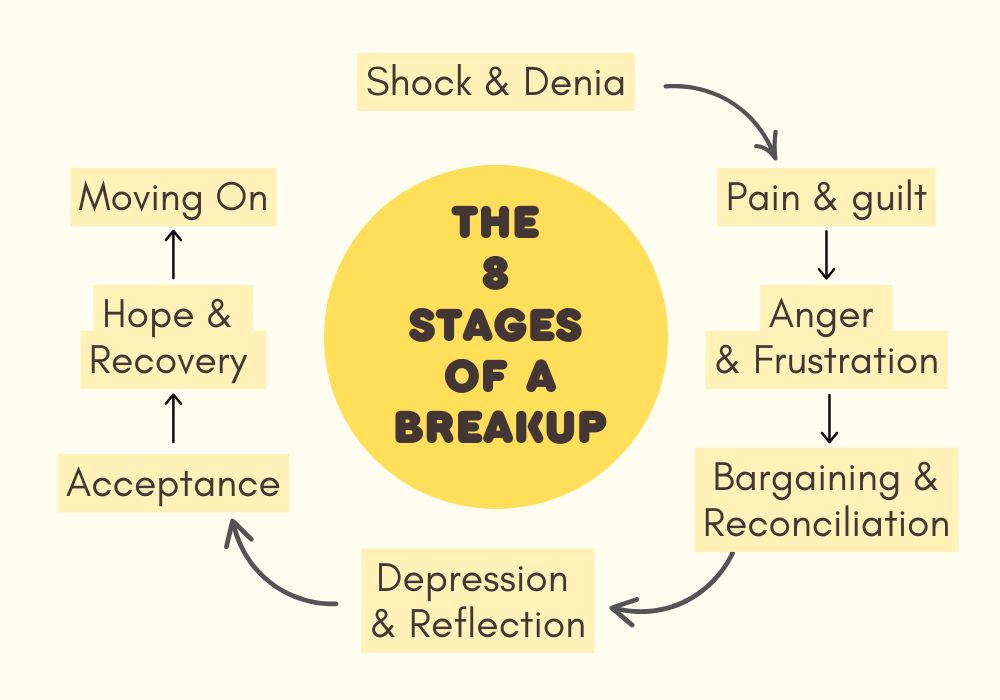
Here’s the short version: a breakup does not follow the classical five stages of grief. Research on romantic dissolution shows most people cycle through eight stages — shock and denial, pain and guilt, anger and frustration, bargaining and reconciliation attempts, depression and reflection, acceptance, hope and recovery, and finally moving on. The full cycle typically takes 3 to 6 months, but stages overlap, repeat, and rarely arrive in order.
A Quick Word From the Author
I’m Mina Benjm, founder of Viemina and a relationship psychology writer since 2022. I started writing about breakups the year after my own — not because I had healed, but because I was tired of finding only clinical lists where my experience should have been. What began as personal essays became a full archive of research-backed guides, because I believe honest experience and solid science aren’t opposites — they’re both necessary. This article is the one I wish I’d had at 3 a.m. on day four.
Grief Stages vs. Breakup Stages: What’s the Difference?
The stages of grief and the stages of a breakup both outline emotional journeys after a loss, but differ in context and focus. The stages of grief, based on the Kübler-Ross model, address responses to permanent losses like death, often progressing through denial, anger, bargaining, depression, and acceptance.
On the other hand, the stages of a breakup deal with the end of romantic relationships, typically include shock, anger, bargaining stage, sadness, and eventually moving on. While grief emphasizes the finality of loss, breakups add layers of complexity such as lingering ties, rejection, and redefining one’s identity, making people question if breaking up was the right thing to do.
Both processes share emotional similarities, but grief revolves around closure, whereas breakups center on healing and personal growth.
Related: Exploring the 5 Stages of Grief Journey
The Complete Timeline of the 8 Stages of a Breakup
How long does a breakup last in total? Most studies and breakup recovery surveys put average recovery between 3 and 6 months, with serious long-term relationships taking 12 months or more. The timeline below shows how the stages typically distribute across that period — your own timeline will overlap and loop, and that’s normal.
Breakups are tough, and healing takes time. Understanding the stages of a breakup and the recovery process can help you make sense of your emotions and find your way forward.
Everyone’s breakup timeline is different. Things like how long the relationship lasted, how it ended, and how you deal with emotions can affect how long each stage lasts.
The most important thing? Be kind to yourself. Healing doesn’t happen overnight, but you’ll get there at your own pace—and that’s perfectly okay.
Duration of Each Stage
- Shock and Denial: It’s hard to believe it’s over, lasting a few days to weeks.
- Pain and Guilt: Sadness and regret kick in, lasting weeks to months.
- Anger and Bargaining: Anger and “what ifs” take over, lasting weeks to months.
- Depression and Reflection: Quiet sadness, deep thinking, and changes in appetite, lasting weeks to months.
- Acceptance and Hope: Peace and looking ahead, which can take months to a year or more.
Everyone navigates these stages at their own pace. Take your time to heal.
Related: How Long Does It Take to Get Over a Breakup

The 8 Stages of a Breakup (and What Each Stage Feels Like)
The timeline above groups the 8 stages into broader phases — below, each stage is broken down individually so you can recognize exactly where you are.
1-Shock and Denial(The First Wave of Emotions):
The stages of a breakup often start with shock and denial, a natural response that helps shield you from the full impact of the loss. You might feel like you’re in a dream, unable to accept that the end of the relationship has happened, or hold onto hope that it’s all a mistake and your ex will change their mind. This defense mechanism acts as a protective mechanism, providing temporary relief and giving you time to adjust.
Denial might provide temporary relief, but it’s not a lasting fix. Avoiding your emotions can make healing harder in the long run. Instead, allow yourself to feel your emotions, even the difficult ones, and process them honestly. Talking to a trusted friend who can offer support and perspective can also help you navigate this stage and take the first step toward recovery.
2-Pain and guilt (Processing Raw Emotions):
Breakups can be really tough and bring up strong emotions like pain and guilt. Once denial fades, sadness can hit hard. This is when you start feeling the loss of your relationship and the future you imagined with your ex. These feelings are normal and show how much the relationship mattered to you.
The best way to heal is to prioritize self-care. Try journaling to express your thoughts, exercising to lift your mood, or meditating to calm your mind. Don’t be afraid to cry—it’s okay and can actually help you feel better. Talking to close friends or family can also give you comfort and support.
Remember, this pain won’t last forever. With time and self-care, you’ll feel stronger and start looking forward to new possibilities. Healing takes time, but you’ll get there!
3- Anger and Frustration(Releasing Negative Energy):
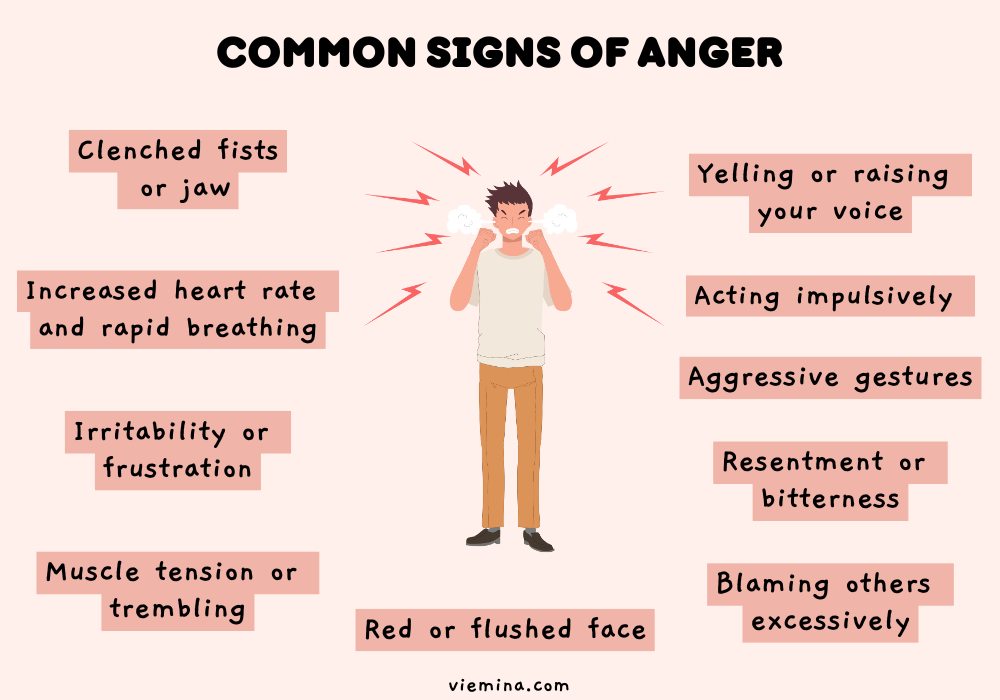
As the sadness from a breakup starts to fade, it’s often replaced by intense emotions such as anger and resentment. You might feel upset with your ex for how they treated you, frustrated about wasted time, or even angry at yourself for things you think you could have done differently. This stage can feel intense, but it’s also a way to regain a sense of control.
Instead of letting anger consume you, try to channel it into something productive. Go for a run, paint, write, or take a long walk to release that pent-up energy and practice mindfulness and focus on the present moment (While it’s tempting to lash out through texts or social media, resist the urge, as this can lead to regrets.) Use this stage as motivation to focus on yourself and your healing, and remember, it’s all part of the journey to feeling better.
Related: 10 Anger Management Strategies To Help You Stay Calm
4-Bargaining and Reconciliation:
During this stage, you might find yourself wishing to get back together with your ex or imagining how things could be different if you had done something differently. You might think, “What if I had said or done this?” or hope for reconciliation, even if you know deep down that it might not be the best choice. This “what if” thinking often comes from a place of longing for things to return to how they once were. While it’s normal to want to fix things, it’s crucial to take a step back and think about whether reconciliation is really in your best interest.
To move through this stage, remind yourself of the reasons the breakup happened in the first place. Writing down what didn’t work in the relationship can help you avoid idealizing it. Instead of focusing on bringing back the past, put your energy into building a future where you feel happy, healthy, and whole.
Related: 20 Warning Signs of a Controlling Relationship
Related: Understanding Complicated Relationships: 15 Signs & 8 Causes
5-Depression and Reflection(The Quiet Phase):
The depression and reflection stage is a quiet part of the healing process after a breakup. As you move through the stages of a breakup, this time may feel sad, lonely, and like you’re deeply lost, but it’s important to know that this is normal. Feeling down doesn’t mean you’re weak—it’s just part of grieving the end of something important.
Allow yourself to feel these emotions. Cry if you need to, and try journaling to get your thoughts out. Talk to a friend or family member who can support you, and don’t be afraid to ask for help if you need it. Take care of yourself by doing things that make you feel good, like meditation, yoga, or a relaxing walk.
Remember, this stage won’t last forever. It’s part of the healing process, and with time, you’ll feel better. Use this time to learn more about yourself and rediscover what makes you happy. Feelings of loneliness might hurt, but it can also be a chance to focus on you.
Related: Smiling Depression: The Hidden Pain Behind a Happy Face
Related: Understanding The 8 Different Types of Depression
6-Acceptance(The Turning Point):
Acceptance is a key turning point in the stages of a breakup. It’s when you start to truly understand and accept that the relationship has ended. While moments of sadness may still arise, they no longer dominate your thoughts. Instead, you begin to focus more on your own life and future. This stage brings a sense of peace and hope, marking your readiness to move on and embrace new possibilities.
Related: 8 Steps to Accept to Improve Your Life Today
7-Hope and Recovery (Embracing New Beginnings):
After a breakup, moving forward can be tough, but it’s also a chance for growth and new beginnings. As you progress through the stages of a breakup, the pain gradually fades, and you start to envision a future with clarity, without carrying the weight of the past. This stage marks the beginning of hope and positivity, allowing you to rediscover joy and strength in your life.
Although moving on might seem challenging, it’s a sign of your resilience and an opportunity for a fresh start. Over time, you’ll begin to focus on new joys and experiences, leaving the pain and negative thoughts behind. While the transition isn’t always easy, with the right mindset, you’ll feel empowered and hopeful for the future ahead.
To embrace this recovery phase, focus on things that bring you happiness and purpose. Surround yourself with supportive people, practice gratitude for the good things in your life, and set new goals. By staying hopeful and positive, you’ll begin to feel empowered and excited for what comes next.
Remember, this is your chance to create a brighter future and embrace the opportunities ahead. With time, the sadness will give way to optimism, and you’ll be ready for whatever comes your way.

Key Strategies for Hope and Recovery | The 8 stages of a breakup
Related: 12 Steps to Cultivate Your Growth Mindset
Related: 10 Powerful Ways To Find Joy in The Little Things
8-Moving On:
The final stage of a breakup is about moving on—letting go of the past and embracing the future. This is when you start feeling a sense of freedom and empowerment, knowing that you’ve made it through the hardest parts. The breakup shifts from a focus on loss to understanding the wonderful opportunity and lessons it taught you. You begin to look forward to new possibilities, whether it’s focusing on your personal, and professional growth or being open to new relationships.
This stage is a fresh start. Reflect on how the experience has shaped you into a stronger, wiser person. As you explore new opportunities, remember that moving on doesn’t mean forgetting—it means growing from the experience and creating a new chapter in your life. Healing takes time, so be kind to yourself as you move through these stages.
Related: 24 Powerful Techniques For Letting Go Of The Past
➡ What Not To Do After A Breakup – Top 18 Mistakes To Avoid
➡ How to Get Over a Breakup: 15 Steps to Heal and Move On

How to get over a breakup
Conclusion:
Navigating the 8 hidden stages of a breakup is a journey of profound personal transformation. It’s not a linear path, but a spiral where you learn deeper lessons each time. Remember, the goal isn’t to just ‘get over it,’ but to heal and emerge wiser and stronger. You now have the map—this understanding of the hidden stages is your most powerful tool. Be patient with yourself, use the strategies for each stage, and trust that healing is not only possible but inevitable
What Actually Helps in Each Stage
Knowing the stage you’re in is half the work. The other half is acting in the way that fits that stage — because what helps in stage 4 (bargaining) is exactly what hurts in stage 5 (reflection).
- Stage 1 — Shock & Denial: no big decisions, no drunk texting the ex, tell at least one friend (isolation makes shock last longer).
- Stage 2 — Pain & Guilt: schedule your days loosely; rumination feeds on empty evenings. Write the guilt list down — seeing it on paper deflates it.
- Stage 3 — Anger: exercise is the cheapest anger regulator; write the unsent letter, but do not send it.
- Stage 4 — Bargaining: remove the reminders (photos, chat pinned, playlists). As long as the door stays open, your brain keeps bargaining.
- Stage 5 — Depression & Reflection: this is the deep-work stage — journal, selective talk therapy, protect sleep. If low mood lasts beyond a few weeks, involve a professional.
- Stage 6 — Acceptance: redefine contact rules and stick to them; this is where no-contact changes from punishment to protection.
- Stage 7 — Hope & Recovery: rebuild identity — pick one thing the relationship absorbed and restart it (project, sport, friendships).
- Stage 8 — Moving On: occasional twinges may return for months; a twinge is a memory, not a relapse.
When to Seek Professional Help
Breakup pain genuinely shows up in brain scans like physical pain — a 2010 fMRI study found that looking at photos of a fresh ex activates brain regions associated with physical pain. But some signs mean it’s time to involve a professional rather than endure: sleep disruption that lasts more than a few weeks, an inability to function at work or school, thoughts of self-harm, or using alcohol and other substances to numb the emotions. A GP or licensed therapist can help you distinguish a heavy healing process from developing depression — asking for that help is part of stage 5 done right, not a failure.
Frequently Asked Questions About the Stages of a Breakup
What are the 8 stages of a breakup?
The typical stages include shock/denial, pain / guilt, anger, bargaining or reconciliation, depression, acceptance, hope and recovery, and finally moving on. These stages don’t always happen in a straight line—people often shift back and forth between them as they go through the healing process.
How long does each stage last?
The duration varies significantly for each person and depends on factors like relationship length, attachment style, and support systems. Some stages might last days, while others could last months. The entire process typically takes anywhere from a few months to two years for significant relationships.
Is it normal to go back to earlier stages?
Yes, healing isn’t linear. Many people cycle through stages or experience them simultaneously. Returning to an earlier stage after progress is completely normal and doesn’t mean you’ve failed at moving on.
Which stage is the hardest to overcome?
Most people find the depression stage particularly challenging, as it often involves deep sadness, loneliness, and questioning your self-worth. The anger stage can also be difficult because of its intensity.
How do I know if I’m stuck in a stage?
If you’ve experienced the same painful emotions with no changes for many months, have completely stopped functioning in daily life, or are engaging in self-destructive behaviors, you might be stuck. Professional help can be valuable in these situations.
What are healthy ways to cope during each stage?
Healthy coping includes acknowledging your feelings, maintaining routines, practicing self-care, connecting with supportive people, limiting contact with your ex, journaling, physical activity, and possibly seeing a therapist.
Is it ever too late to heal from a breakup?
No, it’s never too late. Some people carry emotional wounds for years before properly processing them. Starting the healing journey at any point can still lead to complete recovery.
How do I know when I’m fully healed?
You’ll know you’ve reached acceptance when you can think about the relationship objectively, no longer feel intense emotional pain, don’t obsess about your ex, can imagine a positive future, and potentially feel open to new relationships.
Sources and Further Reading
- Fisher, H. E., Aron, A., & Brown, L. L. (2010). Romantic Breakup: An fMRI Study. Journal of Neurophysiology, 104(1).
- Sbarra, D. A. (2006). Predicting the Onset of Emotional Recovery Following Nonmarital Relationship Dissolution. Personality and Social Psychology Bulletin, 32(3), 298-316.
- Verhallen, A. M., Renken, R. J., Marsman, J. B. C., & ter Horst, G. J. (2019). Romantic Relationship Breakup: An Experimental Model to Disentangle Heartbreak. Pharmacopsychiatry, 52(2).
- Lewandowski, G. W., Aron, A., Bassis, S., & Kunak, J. (2006). Losing a Self-Expanding Relationship: Implications for the Self-Concept. Personal Relationships, 13(3).
- Kübler-Ross, E. (1969). On Death and Dying. Macmillan.
Medical disclaimer: this article is informational and educational. It is not a substitute for professional psychological advice, diagnosis, or treatment. If you are struggling, talk to a licensed mental health professional.