

What Does It Mean to Accept Yourself?
Acceptance is a superpower that can make your life happier and more meaningful. It means embracing everything about yourself and your life—the good, the bad, and the messy. Self-acceptance is about being okay with who you are, even when you make mistakes or face challenges. When you accept yourself fully, you can stop worrying about what others think, let go of self-criticism, and feel freer and more confident. This doesn’t mean ignoring your weaknesses—it means understanding them and still knowing you’re worthy. Acceptance can also reduce stress, boost positive feelings, and help you build stronger relationships. Trusting yourself is a big part of this journey, and when you do, you’ll find it easier to trust others too. By practicing acceptance, you’ll take a huge step toward personal growth and a happier life.
In this article, we will delve into the importance of acceptance and how to truly accept to improve your life and be authentically.
Why Is Acceptance So Important?
Self-acceptance is all about being okay with who you are, flaws and all. It’s like permitting yourself to be human without beating yourself up for mistakes or imperfections. When you accept yourself, you can feel more at peace and happier overall. This doesn’t mean you stop growing or trying to improve—it just means you can do it without being too hard on yourself. Self-acceptance helps you let go of insecurities, build self-worth, and feel more confident about your life and relationships. Here’s why self-acceptance is so important.
1-Building Strong Relationships:
In embracing yourself, you find not only vision but a way of developing stronger, better bonds with the people around you. When you appreciate who you are — as a person — it becomes easier to be transparent with those around you. This cultivates trust and deeper relationships. When you don’t judge others, you don’t judge yourself, and that leads to compassion and connection, which make you feel safe and supported by others. But if you’re too critical or rejecting, that can damage your relationships and drive people away.
The more you practice self-acceptance and accept others, you build deep bonds, and everyone feels seen and valued.
Related: 20 Warning Signs of a Controlling Relationship
Related: Understanding Complicated Relationships: 15 Signs & 8 Causes
2-Builds Emotional Resilience:
Self-acceptance makes you emotionally stronger, helping you handle life’s challenges more easily. When you accept yourself, you’re kinder to yourself, and don’t let failures or setbacks bring you down. Instead of being overly critical, you learn from your mistakes and move forward. Accepting your imperfections also helps you face tough situations with confidence, without worrying about being judged. This inner strength makes it easier to bounce back from difficulties and stay balanced during life’s ups and downs.
Related: Boost Your Creative Resilience:10 Tips to Overcome Adversity
Related: How to Find Emotional Healing? 10 Powerful Tips
3-Enhances Mental Health:
Self-acceptance is key to better mental health, as it helps reduce the pressure of perfectionism and self-doubt. When you accept yourself, you experience lower stress levels because you let go of inner conflicts, bringing a sense of peace and calm. It also leads to decreased anxiety and depression by silencing your inner critic and fostering a more positive and supportive internal dialogue. This acceptance not only improves your mental well-being but also makes it easier to cope with challenges in a healthier and more balanced way.
4-Building Confidence and Self-Esteem:
Self-acceptance is key to building confidence and self-esteem. When you accept yourself, flaws and all, you feel more confident to go after your goals. By knowing your strengths and weaknesses, you can trust yourself to make better decisions. This trust also helps you feel less scared of failing, making it easier to take risks and grow. In the end, accepting yourself helps you believe in your potential and chase your dreams without fear.
Related: 21 Signs of a Truly Confident Person
Related: Improving Your Confidence with 15 Easy Tips
Related: Low Self Esteem: 10 Effective Ways to Improve Self-Worth
5-Cultivating a Positive Mindset :
When you accept yourself, you focus more on what you can do instead of what you can’t. You start appreciating your strengths and feel grateful for what you have. Accepting yourself also helps you stay positive, even when things get tough. You believe you can handle challenges without being hard on yourself. This shift in mindset helps you see opportunities and stay hopeful about the future.
Related: 12 Steps to Cultivate Your Growth Mindset
Related: The Power of Mindset Transformation: 15 Keys to Success
8 Steps to Accept to Improve Your Life:
1-Recognize Your Worth:
Remember, your value isn’t determined by your achievements, how you look, or what others think of you. You are enough, just as you are. Take a moment each day to remind yourself of this simple truth. Think about the times you’ve made a positive impact on your own life or on others. Those little moments matter, and they show you the strength and worth you have within. Embracing your true self, flaws and all, is the first step toward feeling confident and at peace.
Related: Why Do I Feel Like a Failure? 20 Causes That Might Shock You
2-Let Go of Expectations:
Sometimes, we get caught up in thinking things *should* be a certain way, and that can make it hard to accept ourselves or our situation. Letting go of these expectations is an important step if you want to accept to improve your life. When you stop trying to control everything, you create space to be more flexible and adaptable. Life doesn’t always go as planned-and that’s perfectly fine! Instead of holding onto rigid expectations, approach challenges with curiosity and openness. This mindset shift can help you feel more at peace and less stressed, allowing you to embrace change and grow.
Related: 24 Powerful Techniques For Letting Go Of The Past
3-Stop Making Excuses:
It’s easy to come up with excuses when things get challenging. Many people find it easier to blame their circumstances rather than face challenges head-on. But if you want to improve your life, you need to stop making excuses and start taking responsibility. Instead of saying, ‘I can’t do this,’ try thinking, ‘This is a challenge holding me back, but I have the power to overcome it.
The first step towards success is owning up to the truth. Accepting reality, no matter how difficult, is what will ultimately help you grow. Once you tell yourself the truth, commit to changing your habits and behaviors. It’s not always easy, but making that shift will help you move forward and improve your life.
4-Discover the Intentions to Improve Your Personal Life:
Having good intentions is essential for improving your life. When your intentions are positive, they guide you towards your goals and help you stay motivated. On the other hand, bad intentions, fueled by greed, envy, or negativity, only hold you back. It’s important to recognize the power of your intentions, as they shape your actions and tell others what you’re aiming for.
To discover your true intentions, you need to put in the effort. There will be challenges along the way, and you might feel frustrated at times. But remember, persistence pays off. If you find that some of your intentions are negative or misguided, don’t worry—this is part of being human. The good news is, you can transform those bad intentions into positive ones by shifting your mindset.
The key to unlocking your potential is self-discovery. Take time to understand yourself, define what you truly want, and stay focused on your path. With the right intentions, you can move forward and set yourself up for success.
Related: 7 Easy Tips To Set Daily Intentions To Improve Your Life
Related: Negative Emotions: 11 Expert Tips for Emotional Acceptance
5-Practice Mindfulness and Gratitude:
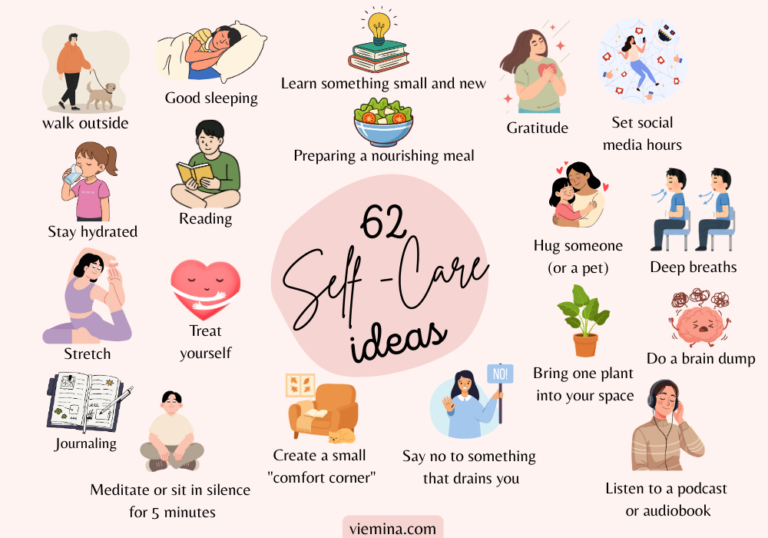
Mindfulness and gratitude are two simple yet powerful ways to bring more peace and happiness into your life. Mindfulness means staying present and paying attention to your thoughts and feelings without judging yourself. Things like meditation, deep breathing, or just noticing how you feel can help you stay calm, in control, and ready for challenges.
Gratitude, on the other hand, helps shift your focus from what’s missing to what you already have. Take a moment each day to think about things you’re thankful for—it could be big or small. This practice makes it easier to appreciate the present and accept life as it is. Together, mindfulness and gratitude can help you feel more balanced and content.
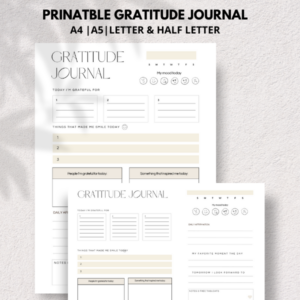
“Transform Your Life with Gratitude Today! -> Get your from here!”
6-Start Journaling:
Studies show that journaling can reduce stress, improve your mood, and even build resilience over time. The best part? There are no rules—just write freely without judging yourself.
You can jot down how your day went, list things you’re grateful for, or even write down inspiring quotes to motivate you. If you’re not sure where to start, try using simple journal prompts to spark ideas. Journaling pairs perfectly with mindfulness and gratitude, giving you a creative outlet to reflect, grow, and embrace positivity.
Related: 10 Powerful Tips to start Journaling and make it a Habit
7-Challenge Negative Self-Talk:
The way you talk to yourself matters! If you catch yourself being overly critical, try to turn those negative thoughts around. Replace harsh self-judgments with kind words and affirmations. For example, instead of thinking, *“I can’t do anything right,”* try saying, *“I’m doing my best- that’s enough.”*
Being your own cheerleader isn’t about ignoring your flaws—it’s about treating yourself with the same kindness you’d show a friend. Encouraging yourself builds confidence, boosts your mood, and helps you face challenges with a positive mindset.
Related: The Toxic Effects of Negative Self-Talk
8-Seek Support:
Practicing acceptance can be tough, and it’s okay to lean on others for help. Talking to a friend, joining a support group, or working with a therapist can make a huge difference. Sharing your thoughts and feelings with someone you trust can provide guidance, encouragement, and a fresh perspective.
Reaching out for support isn’t a sign of weakness—it’s a powerful step toward building strength and embracing acceptance in your life. You’re never alone on this journey, and sometimes, just having someone listen can help you move forward.
Conclusion:
Self-acceptance is the key to personal growth and happiness. Embrace your journey of self-discovery, and always remember that you are worthy of love and acceptance, both from yourself and others.